
This year, we've focused on improving three areas that define the Tiger Cloud experience:Scale wit 2026-7-22 08:30:12 Author: hackernoon.com(查看原文) 阅读量:2 收藏
This year, we've focused on improving three areas that define the Tiger Cloud experience:
- Scale without splitting your architecture: Compression becomes a performance advantage.
UPDATEandDELETEon compressed data run up to 160x faster, summary queries up to 70x faster. Storage scales to 80,000 IOPS and 64 TB on demand. - Spend less time configuring, more time shipping: Tiger Console auto-tunes hypertables, the
PostgreSQL Source Connector moves data to Tiger Cloud without custom pipelines, andpg_textsearchbrings production-ready BM25 search natively in Postgres. - Production-grade reliability, without the DIY tax: Tiger Cloud handles data residency, network isolation, disaster recovery, and visibility so you don't have to.
This past quarter we shipped deeper query engine optimizations in TimescaleDB, new regions, new enterprise networking options, and a long list of smaller improvements to how Tiger Console works day-to-day. Instead of listing every Tiger Cloud release on its own, here's what it adds up to, and why it matters: you can stay on Postgres as you scale, you'll spend less time configuring and more time shipping, and you get the reliability and visibility that time-series workloads actually need.
Scale without splitting your architecture
The moment analytical queries start competing with transactional ones, teams feel pressure to bolt on a separate analytical database. This quarter's TimescaleDB releases and storage upgrades ensure Postgres keeps scaling for time-series and analytical workloads instead of becoming the reason you re-architect. Here's what shipped, and why it matters.
Run queries and writes directly on compressed data, without the performance tax
COUNT, MIN, MAX, and FIRST/LAST now read straight from compressed metadata instead of decompressing full batches, up to 70x faster. Grouping with time_bucket() runs roughly 3.5x faster. Multi-column filters push down directly into compressed scans, cutting unnecessary decompression by half or more.
Writes get the same treatment. UPDATE, DELETE, and UPSERT on compressed chunks skip decompressing data that can't match, so selective write operations run up to 160x faster. Query rewriting can automatically route matching aggregations to a continuous aggregate, and continuous aggregate refreshes can compress chunks as part of the same job instead of needing a separate policy.
Add full-text search without adding a search engine
As part of the pg_textsearch ran up to 6.5x faster than ParadeDB on typical multi-word queries and sustained 8.7x higher concurrent throughput. It ships with an <@> query syntax, a bm25_force_merge() function for segment consolidation, and support for Postgres 17 and 18. One less system in your stack to operate and keep in sync.
Scale storage on demand instead of provisioning for a peak that may not come
Scale plan services can now choose between 16,000 and 40,000 IOPS with up to 1,500 MB/s of throughput. Enterprise plans go up to 80,000 IOPS and 2,000 MB/s, with total capacity up to 64 TB. Changes apply without downtime, and you pay only for the IOPS you use.
Spend less time configuring, more time shipping
None of the above matters much if half your week still goes to console configuration instead of building. The following updates hand more of that time back to you so you can focus on what matters: building your product, not configuring your database.
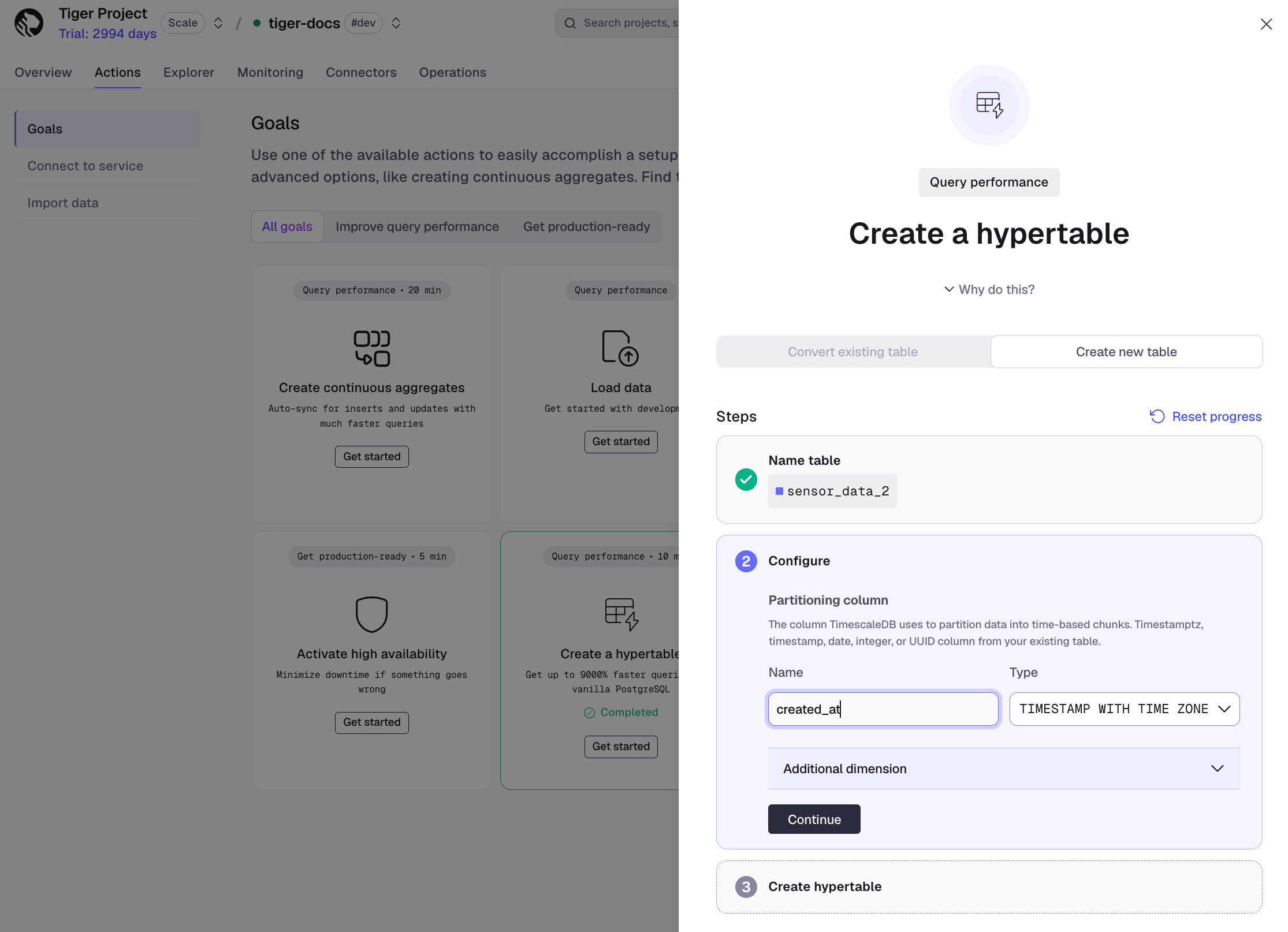
Build hypertables in a few clicks, without writing SQL
Define hypertable columns directly in Tiger Console instead of writing SQL. Configure a columnstore in the same step. For the best performance, you can enable
Move data from Postgres into Tiger Cloud without building your own pipeline
The
Production-grade reliability, without the DIY tax
Data residency, network isolation, disaster recovery, and visibility into what's happening inside your database are table stakes for any fully-managed platform. The whole point of choosing Tiger Cloud is that you shouldn't have to design, build, and maintain that infrastructure yourself. Here's what shipped this quarter that takes more of that off your plate.
Meet data residency requirements in more places
Tiger Cloud is now available in two additional Azure regions: Germany West Central (Frankfurt) and Southeast Asia (Singapore). Teams with GDPR-sensitive workloads can now keep EU data in-region, and Asia-Pacific teams get local data residency and lower latency, without moving off Azure. For a
Keep database traffic off the public internet
Private endpoint support is now generally available across every supported AWS and Azure region.
Recover easily when a region goes down
Cross-region backup already copies your data to a geographically distant region. Now Enterprise customers can restore directly from that backup in Tiger Console, closing the loop so a regional outage doesn't mean opening a support ticket to get your data back.
Catch problems in the tools you already use, before they escalate
Visibility should be simple. You shouldn't have to wait for a problem to surface before you can see it coming. The Tiger Cloud status page now lives at
Inside the
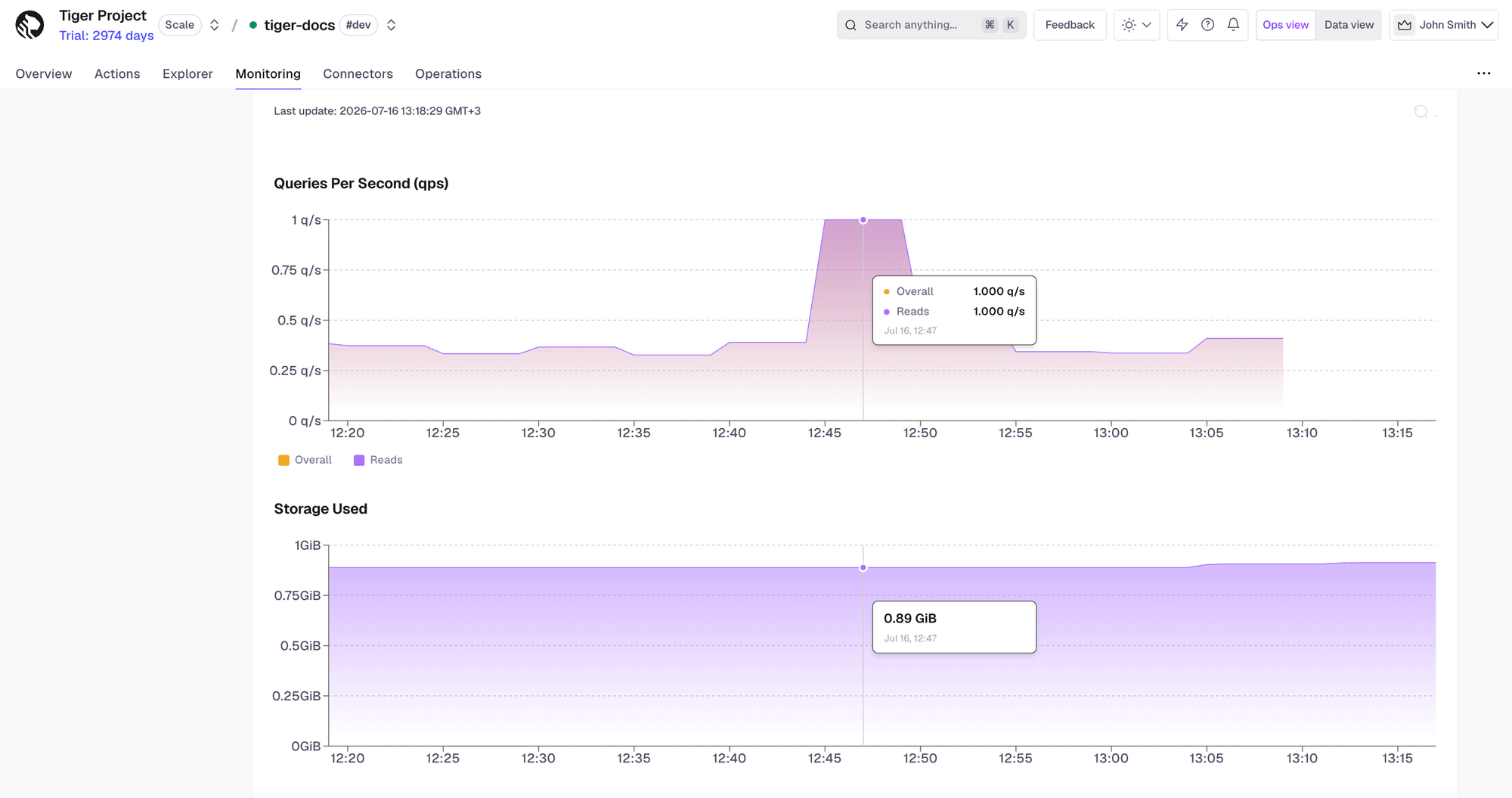
In the
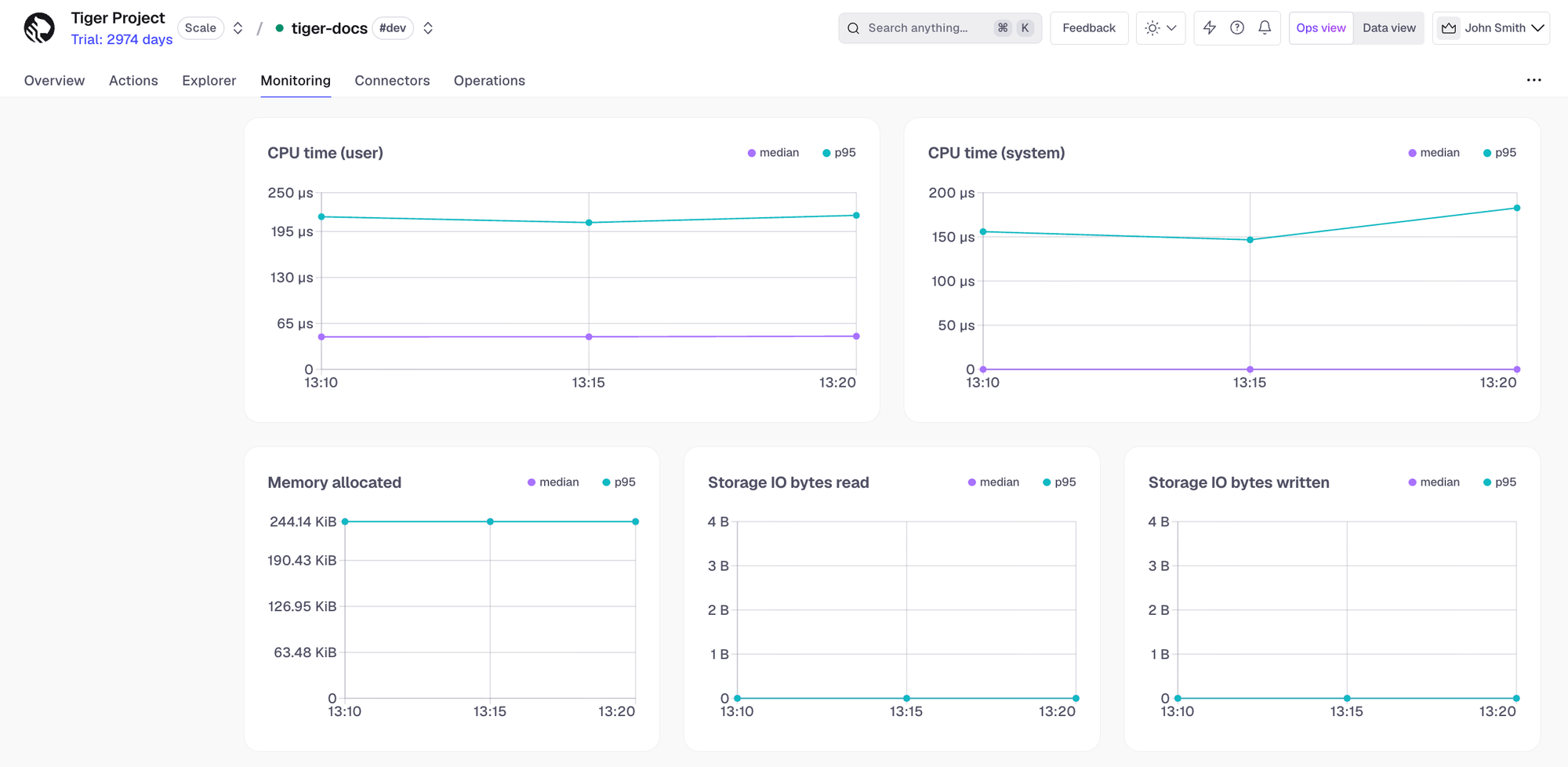
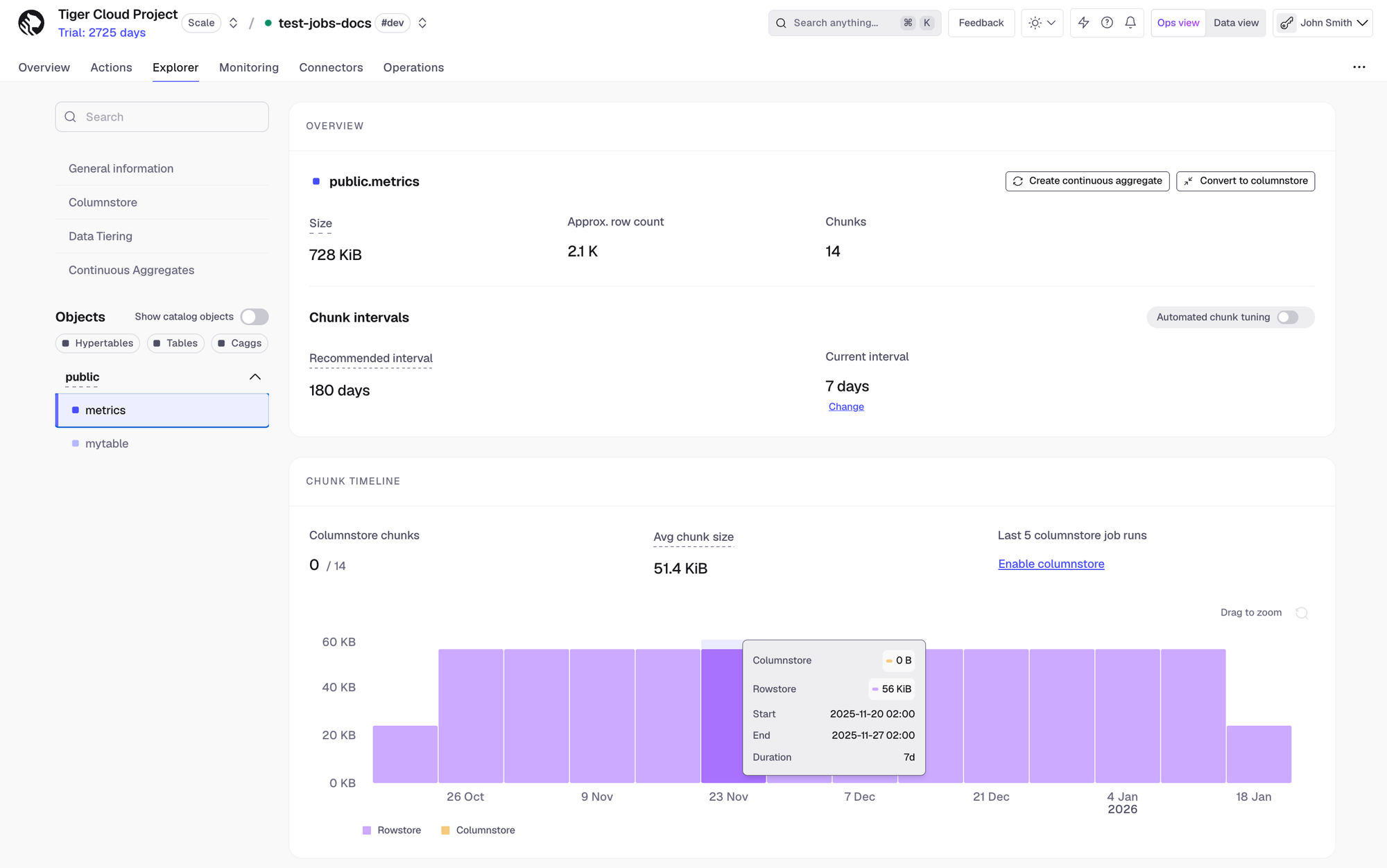
Additionally, you can check the Chunk timeline in the
Lastly, if you already monitor infrastructure elsewhere, Tiger Cloud now exports telemetry to
Try Tiger Cloud for free
All of these features are live on Tiger Cloud. If you're already a customer,
If you're new to Tiger Cloud,
如有侵权请联系:admin#unsafe.sh